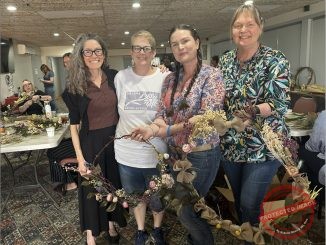
session at the Cobar Bowling & Golf Club last Tuesday night.
Local women were encouraged to “embrace the change” and view menopause as the beginning of a new journey at a Menopause Mania information evening in Cobar last Tuesday night.
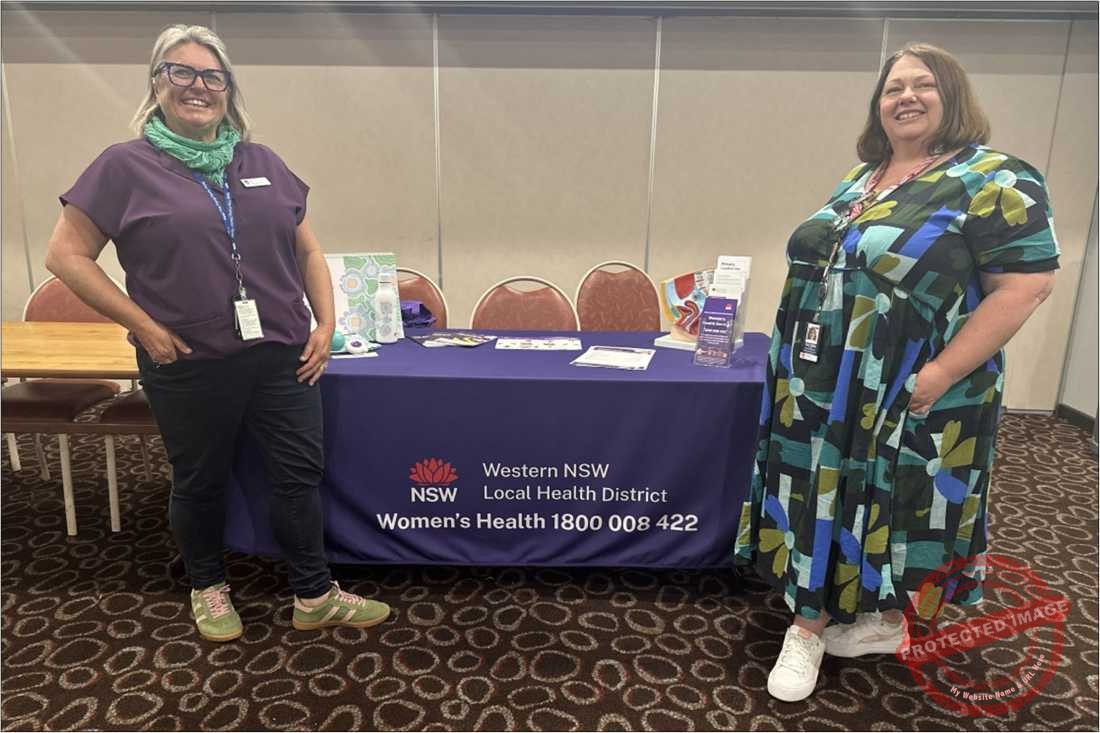
A group of 12 women attended the event, presented by NSW Health Clinical Nurses Kim White and Nikki Hawkins, with support from Susan Simpson, Coordinator of the Western NSW Local Health District’s (WNSWLHD) Specialised Menopause Service, who joined via Zoom.
The session covered the different stages of menopause, including perimenopause and post-menopause, along with typical age groups, common symptoms and treatment and management options.
Women were also given information about changes occurring in their bodies and ways to support their health through the transition.
The presenters explained that around 20 per cent of women experience no menopausal symptoms, while about 60 per cent experience mild to moderate symptoms and 20 per cent experience severe symptoms.
The importance of looking after bone health and maintaining muscle mass was highlighted, along with the increased cardiovascular risk associated with ageing and menopause and steps women can take to protect their long-term health.
The session provided practical tips to help women manage symptoms and make informed health choices.
Kim was pleased with the turnout.
“Women can become so busy with family, work and other commitments that they put their own health needs aside,” Kim said.
The session was one a of number of Women’s Health Week events conducted by WNSWLHD in Cobar last week which had a focus on regular cervical screening.
Local women able to take advantage of a mobile screening service.
Kim said there was an ongoing need to encourage local women to keep up with screening, with only 10 of the 43 local women screened during last week’s promotion being up to date. While Cobar’s screening rate has improved over the past year, it remains the lowest in the WNSWLHD and is also below state and national benchmarks.
Kim said women could be overdue for screening for various reasons, including being busy, previous trauma or feeling uncomfortable about the procedure.
She said self-collection has provided another option, allowing women to complete the test themselves in a quick and private way.
“It’s such a great preventive test,” Kim said.
Australia is working towards becoming the first country to eliminate cervical cancer, with elimination forecast for 2035 through a combination of HPV vaccination and regular screening.
Kim said the mobile screening service was helping break down barriers faced by women in rural and remote communities by bringing screening services closer to where they live and work. She said improving access and making conversations about women’s health more normal were important in encouraging women to prioritise their health.