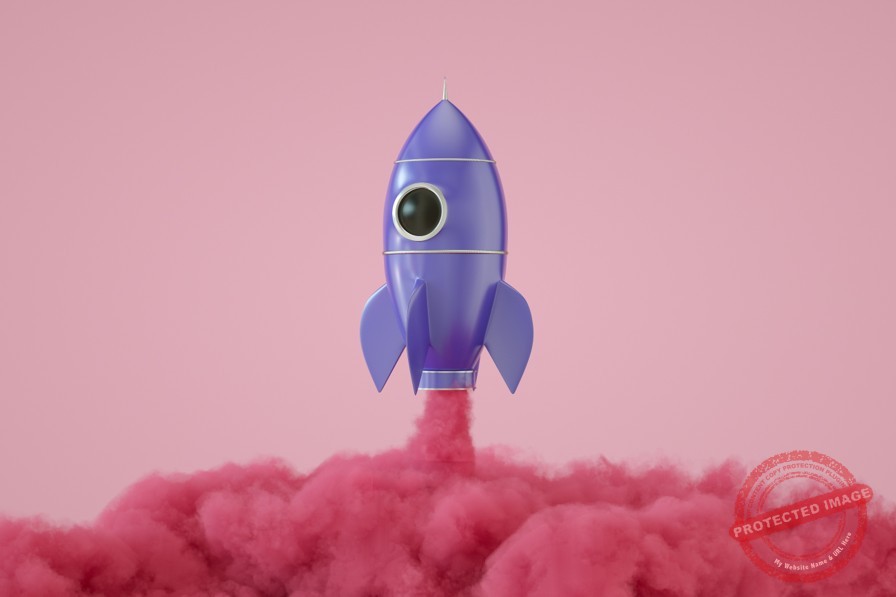
What started as a Hunter School of Performing Arts (HSPA) student’s STEM elective has grown into a full, student-run space agency, and next week it’s heading to Cobar to launch two balloons to the edge of space.
In 2024, HSPA captain Nolan Sobel-Read worked with teacher Ben Moore, Cameron Owen of Saphi Engineering in Mayfield, and DIYODE electronics magazine to send a weather balloon 28 kilometres into the atmosphere above Nyngan.
The interest that launch created has since grown into the Skybound Project, reflecting the school’s High Potential and Gifted Education (HPGE) offerings: a full Year 10 iSTEM teaching unit running across Terms 1 and 2 and funded by the Newcastle Academy of STEM Excellence.
HSPA teacher Ben Moore said the Skybound launch is due to release two balloons over Cobar next week.
“This time the students are running the mission themselves,” Ben said.
A group of 21 Year 10 students operate as a simulated space agency, organised into five specialist teams that mirror a real space program: Engineering and Payload, Flight and Logistics, Media and Storytelling, Sponsorship and Finance, and Recovery and Field Operations.
“Between them the teams have designed and built the payload, modelled the flight path, secured funding, managed approvals, documented the story, and planned the recovery.
“No single team member can complete the mission alone,” Ben said.
“This is all down to Nolan’s commitment, the Academy’s support, Cameron’s continued support, and the enthusiasm of the students and staff.
“The Academy’s contribution comes through me as its project officer, in addition to my teaching duties at HSPA, and we now also have backing from Orica as a major supporter, as well as founding supporter Galah Cyber.
“The project dials directly into the school’s commitment to offering High Potential and Gifted Education opportunities, inspiring students to pursue high level studies with a very practical and real-world end.
“It’s an outstanding motivator for their study and work careers after school.”
On launch day (which will be determined by the prevailing weather conditions) the students will release two 3,000g degradable latex balloons from Cobar High School.
About two metres across at launch, they will swell to around 10 metres in diameter as the air thins on the way up, before bursting near 35 kilometres above the ground.
The protective box of instruments and cameras will then parachute back to earth, recording images and measuring air temperature, pressure, altitude and wind speed throughout the flight.
GPS tracking will pinpoint the landing site so the payload and its data can be recovered, just as happened in 2024.
The balloons are expected to come down well over 100 kilometres from Cobar after a flight of about two hours, sending the Recovery and Field Operations team out across the outback to bring them home.
Launching the balloons in Cobar gives the HSPA students a chance to experience the outback, and gives the team wide open spaces to work with.
Students from Cobar High School will have the rare opportunity of witnessing a working space program on their doorstop and talking to the students who did the designing, managing, building and flying.
The HSPA team hopes the day sparks the same curiosity in Cobar that the 2024 Nyngan flight sparked in them, and that it shows how regional students can take on ambitious, real-world STEM projects that can help to equip them for highly rewarding careers after school.