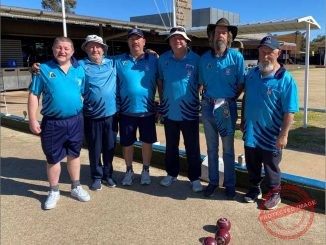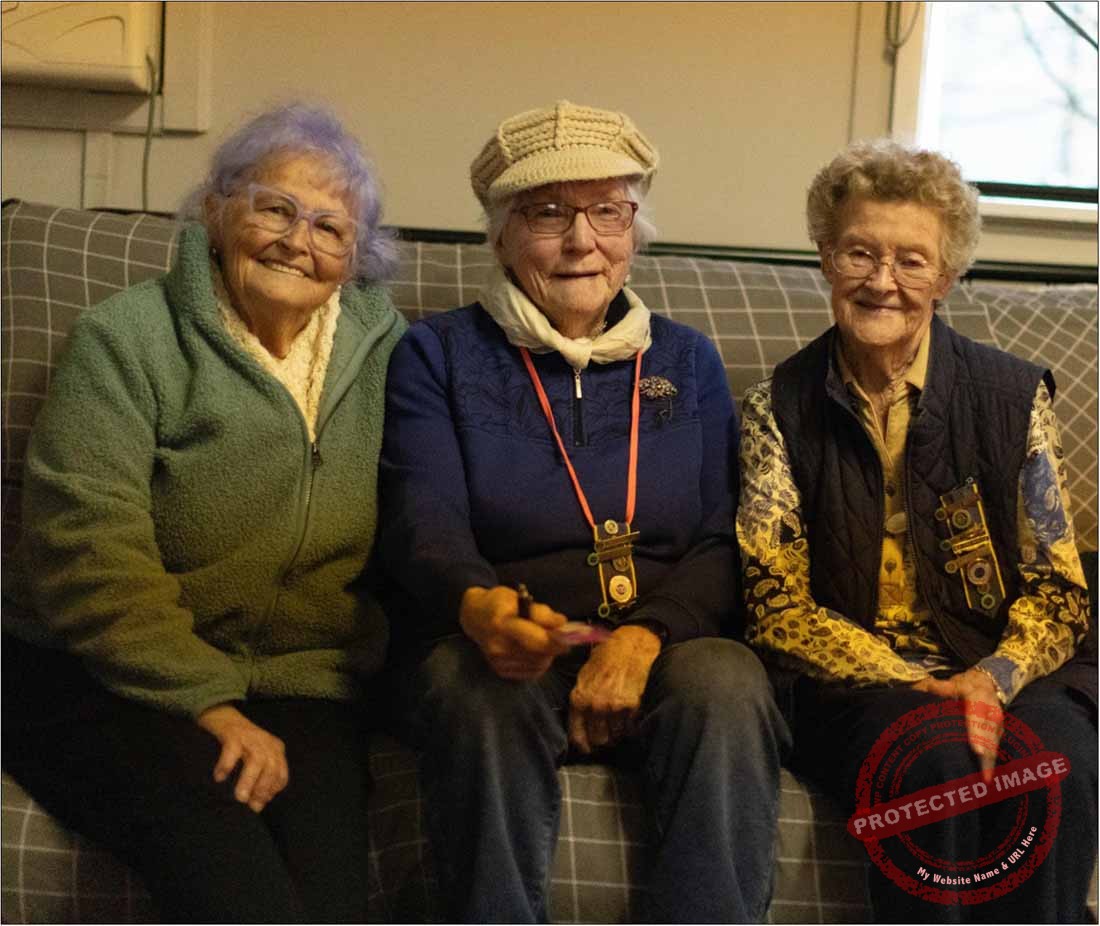
Outloud community podcast. ▪ Photo courtesy of Andrew Hull
Outback Outloud’s community podcast and oral history recording project by Outback Arts, delivered in partnership with Signal Creative, is about to launch their Season 4 recordings which include interviews with Nymagee locals.
Season 4, a powerful new chapter in its storytelling journey, features the unique voices, traditions and aspirations of five remarkable regional New South Wales places: Louth (and the annual Louth Races), Enngonia, Byrock, Nymagee and Quambone.
Across these episodes, Outback Outloud dives deep into community, creativity and connection to reveal stories of triumph, change and belonging in the often-overlooked corners of our country.
Outback Outloud creator, Emma Hoy, who has been working on the project for five years, said the response to the podcast has been extremely heart-warming.
“Hearing local stories in this format has brought many listeners nearly to tears as they beam with pride,” Emma said.
Outback Outloud is Emma’s brainchild.
She does all the recordings, the community outreach, the editing, composes the music and puts it all together.
Season 1, produced in 2021, featured Cobar locals telling their stories including Elizabeth Whiteman, Lillian Simpson, Leonie McCosker, Anni van der Westhuizen, Rick Ohlsen and Susan Singelton to name a few.
For Season 4, Emma was invited along to a Nymagee CWA meeting, which local Dolly Betts helped to organise.
“We spoke to six members of the local CWA,” Emma told The Cobar Weekly.
“They were having their meeting and getting ready for the annual flower show in Nymagee, which is a very big deal.
“We also spoke to Des Hill, and Darby Warner, people down at the pub.
“We spoke to Katie Nicholson and her grandmother, Jenny about the Gymkhana and reinvigorating social events within Nymagee.
“I also spoke to Jillian Prince, who is a coach and horsewoman, about her practice and her healing retreats using horses and about some of the philosophy behind her retreat,” Emma said.
“The theme is the place, and how it knits together and just people’s lives and experiences.
“We don’t have an editorial agenda when we do Outback Outloud, and we never have.
“Basically, we’re there to help, we support people to showcase their own stories.
“And we also work with an historian that does an audio piece on each community, which talks about the history of the town.”
Emma said she was inspired to create the Outback Outloud podcast after having lived in outback NSW for 10 years.
“There’s just so many amazing stories and living histories in the area.
“We just really wanted to showcase contemporary history of what it’s like in regional and remote New South Wales now and, just tell real stories and real voices.
“We call it the Greatest Stories Never Told, because a lot of people drive through these places or have never even heard of them.
“And it’s just a very candid, people in their own voices in a very unfiltered way, talking about their lives, whether it’s living in town, out on properties, different challenges and triumph of being in remote communities.”
Emma said the most common thread in Season 4 among the five villages of Nymagee, Louth, Enngonia, Byrock and Quambone, was drought which affects everyone in different ways.
“Drought and flood.
“People are sometimes completely isolated for weeks on their properties.
“It’s the challenges that people don’t realise when they live in big cities where you don’t have the support and really pulling together as communities, against these really monumental challenges, and thriving,” Emma said.
Emma said she’s heard so many amazing and wonderful stories in her four seasons.
“I’m always surprised and extremely privileged to capture the stories of people’s lives.”
Season 4 is set to be released this Friday and Emma is already looking ahead to Season 5.
“We’re actually looking to really empower people to tell their own stories. It’s a concept at the moment, which is in progress because I’m literally just finishing up Season 4.”
Emma said the plan is to support community members from the region to produce a couple of episodes themselves.
“So it really is empowering local people.
“It’s giving them the skill, to be able to have a voice in a global arena that’s podcasting.”