The Cobar Weekly newspaper is one of 26 not-for-profit organisations to share in $200,000 worth of grants from the Foundation for Rural and Regional Renewal (FRRR) and partner Telstra.
The Weekly was successful in their application for Telstra’s Connected Communities Grant Program which supports projects led by grassroots not-for-profits in rural and remote areas that empower their communities to embrace new technologies, improve digital literacy and enhance digital capabilities.
The annual program received 196 applications, each seeking up to $10,000 to support community-led initiatives that build connected communities that are resilient, sustainable and liveable.
The Cobar Weekly was one of seven organisations in NSW to win a grant and also included Armatree CWA, Gol Gol Preschool, Broken Hill’s Meals on Wheels and Nowra Youth Services.
Spread widely across the country, the grants awarded will assist in providing more equitable access to digital solutions, training and new technologies, equipping communities to become better connected, confident and prepared for the future.
FRRR’s CEO Natalie Egleton said this program has a far-reaching and critical impact on non-urban communities and greatly enhances their liveability.
“These grants go far beyond simply getting people connected to the internet.
“They’re about ensuring that people in remote and regional Australia have access to essential services and opportunities.
“Reliable digital infrastructure and skills are fundamental to improving quality of life and these communities are demonstrating real drive to respond to local issues innovatively, with our support,” Ms Egleton said.
“The ripple effects of these community-led projects are significant and contribute to stronger local economies, more connected communities and greater resilience overall.
“That’s why continued investment in digital inclusion is so important for the sustainability of rural and remote Australia,” Ms Egleton said.
Regional Australia Executive at Telstra, Loretta Willaton, said the number of applications received demonstrated a clear desire for Australians living outside metro areas to access improved digital connectivity and new technologies, and their willingness to lead initiatives to achieve this.
“Organisations all over the country have stepped forward with a solutions-focussed approach to improving their digital capabilities and improving social and environmental outcomes for their communities,” Ms Willaton said.
“The support we provide through this partnership is incredibly meaningful and Telstra is proud to be involved.
“Access to technology is especially crucial in times of crisis.
“We appreciate that the preparedness of communities ahead of disasters, as well as in response to or recovering from them, is made so much more robust with greater access to digital tools and knowledge,” she said.
The Cobar Weekly’s managing editor Sharon Harland said they were thrilled to have been awarded $10,000 from the grant program.
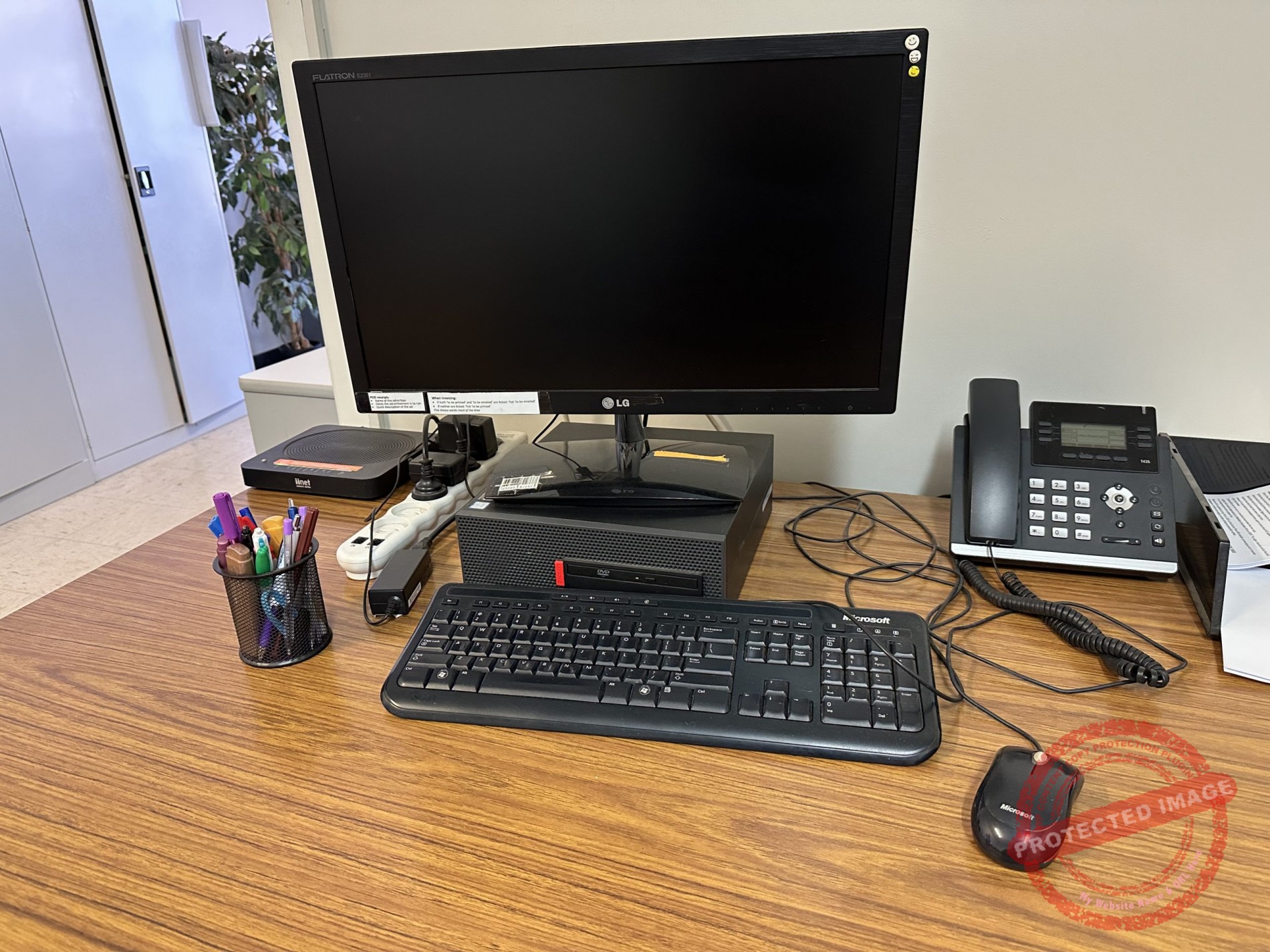
“This grant will enable The Weekly to upgrade and enhance our aging computer system, increase our cybersecurity and will strengthen our digital capacity to deliver vital information and services to the Cobar community more effectively,” Mrs Harland said.
Cobar Weekly Association president Tahnee Andrew also welcomed the news of the grant funding.
“While we’re proud to say The Cobar Weekly remains 100 per cent community owned, being a not-for-profit organisation has its challenges when it comes to finding money in the budget to maintain up-to-date technology,” Ms Andrew said.
“Telstra’s support to upgrade the computer system will help the staff continue to deliver a high quality, professional product to the Cobar community each week.
“The ‘little paper’ has been a record of Cobar’s history; promoter of local businesses and events; and a champion of the community for almost four decades and has managed to stay completely independent and community owned because of the support of a volunteer committee, a strong membership base and donations from organisations such as Telstra who recognise the work The Cobar Weekly does to keep our community connected.”
The annual program received 196 applications, each seeking up to $10,000 to support community-led initiatives that build connected communities that are resilient, sustainable and liveable.
Spread widely across the country, the grants awarded will assist in providing more equitable access to digital solutions, training and new technologies, equipping communities to become better connected, confident and prepared for the future.
Natalie Egleton, FRRR’s CEO said that this program has a far-reaching and critical impact on non-urban communities and greatly enhances their liveability.
“These grants go far beyond simply getting people connected to the internet. They’re about ensuring that people in remote and regional Australia have access to essential services and opportunities. Reliable digital infrastructure and skills are fundamental to improving quality of life and these communities are demonstrating real drive to respond to local issues innovatively, with our support.
“The ripple effects of these community-led projects are significant and contribute to stronger local economies, more connected communities and greater resilience overall. That’s why continued investment in digital inclusion is so important for the sustainability of rural and remote Australia,” Ms Egleton said.
Loretta Willaton, Regional Australia Executive at Telstra, said the number of applications received demonstrated a clear desire for Australians living outside metro areas to access improved digital connectivity and new technologies, and their willingness to lead initiatives to achieve this.
“Organisations all over the country have stepped forward with a solutions-focussed approach to improving their digital capabilities and improving social and environmental outcomes for their communities. The support we provide through this partnership is incredibly meaningful and Telstra is proud to be involved.
“Access to technology is especially crucial in times of crisis. We appreciate that the preparedness of communities ahead of disasters, as well as in response to or recovering from them, is made so much more robust with greater access to digital tools and knowledge,” Ms Willaton said.